Reviewing the Au-some Mom Embroidery Design for Real Projects
As a designer who has spent countless hours digitizing and stitching out patterns, I approach every new machine embroidery design with a mix of curiosity and caution. We have all been there: you download a file that looks perfect on the screen, only to find it turns into a bird’s nest of thread breaks and puckering once it hits the fabric. That is why I took a close look at the Autism Design, Au-some Mom graphic to see if it holds up in a real-world production environment. This is not just about aesthetics; it is about functionality, durability, and the final impression left on the customer.
First Impressions and Visual Personality
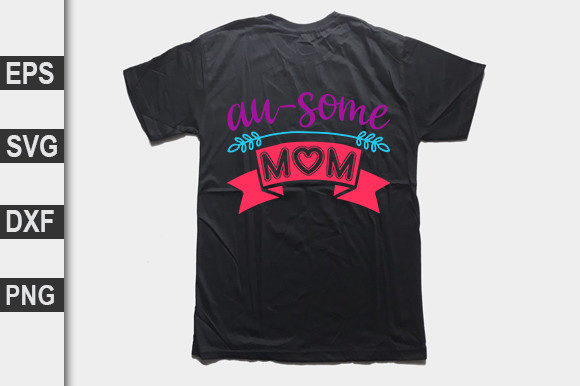
The moment I opened the files, the mood of the piece was clear. The phrase "Au-some Mom" plays on the chemical symbol for gold, Au, creating a clever and heartwarming pun that celebrates mothers of children on the autism spectrum. It is a sentiment that resonates deeply within the community, making it a powerful choice for personalized gifts. Visually, the layout feels balanced. The typography appears bold enough to remain legible after stitching, which is crucial for any text-based embroidery project.
The design does not rely on overly intricate details that might get lost in translation from vector to stitch. Instead, it offers a clean, modern aesthetic that fits well within the current trends of T-Shirt Designs and boutique apparel. For an experienced eye, this simplicity is often a sign of quality. It suggests that the digitizer prioritized stitch clarity over unnecessary complexity, a trait that saves time and reduces frustration during production.
Real-World Application: The Custom Tote Bag Test
To truly evaluate this design, I imagined a specific scenario: a custom order for a local craft fair. A customer wants a sturdy canvas tote bag design that serves as both a daily utility item and a statement piece. Canvas is a textured, heavy fabric that can be unforgiving if the stitch density is too low or the stabilizer is inadequate.
In this context, the Autism Design, Au-some Mom shines. The bold lines of the lettering would stand out sharply against the neutral tone of natural cotton canvas. Because the design is likely composed of solid fills and clean outlines, it provides excellent coverage without requiring thousands of stitches that could weigh down the bag. When stitched out, the result is a professional-looking handmade product that feels substantial and valuable. Customers are more likely to trust a brand that delivers crisp, well-defined embroidery rather than something that looks sparse or messy.
Versatility Across Product Lines
Beyond tote bags, this graphic is highly adaptable. I can easily see it working as sweatshirt embroidery, where the soft texture of fleece complements the smooth finish of satin or fill stitches. It would also make a charming addition to baby embroidery projects, such as onesies or bibs, provided the scale is reduced appropriately. For Etsy sellers and small shop owners, versatility is key. A single high-quality digital embroidery file that works across multiple categories increases your return on investment.
You could also apply this to custom apparel like aprons for teachers or caregivers, or even as a decorative element on pillow covers for nursery decor. The emotional connection of the message makes it a strong candidate for holiday embroidery gifts, particularly around Mother’s Day or Autism Awareness Month. It transforms a simple item into a meaningful keepsake.
Technical Considerations for Stitching Success
While the design is promising, practical execution requires attention to detail. Here are some critical factors to consider before hitting the start button on your machine.
- Fabric Texture and Stability: Always test the design on scrap fabric first. If you are using stretchy materials like jersey knits for t-shirts, a cut-away stabilizer is essential to prevent distortion. For woven fabrics like denim or canvas, a tear-away may suffice, but hooping tension must be precise.
- Thread Color Contrast: The visual impact of this design relies heavily on contrast. On dark fabrics, ensure you use bright, vibrant thread colors. On light fabrics, deeper tones will make the "Au-some" text pop. I recommend testing it in black and white mockups first to judge the value structure without the distraction of color.
- Stitch Density and Detail: Check the stitch density settings in your software if you have access to the source files. If the design includes small elements, ensure they are not too dense for thin fabrics, which can cause puckering. Conversely, if the density is too low, the fabric might show through the stitches, ruining the finished look.
- Hoop Size Constraints: Confirm the hoop size required for the full design. If you are working with smaller hoops, you may need to split the design or choose a smaller placement area, such as the chest pocket of a shirt rather than the full back.
Navigating Challenging Surfaces
Be cautious when applying this design to curved surfaces like caps or hats. The curvature can distort text, making it appear warped if not digitized with pull compensation in mind. Similarly, avoid placing it on areas of garments that experience high friction or frequent washing without proper reinforcement. An embroidered patch might be a safer alternative for items that undergo heavy wear, allowing the design to remain intact even if the garment fades.
File Formats and Commercial Use
The product description notes that the ZIP file contains EPS, SVG, PNG, and DXF files. This is an important distinction for buyers. These formats are primarily vector and raster graphics, suitable for printing, cutting machines, or digital design work. However, for direct commercial embroidery on a machine, you typically need specific stitch files like DST, PES, or JEF.
If you are an Etsy seller or run a craft business, verify whether the package includes native machine embroidery formats or if you need to convert these graphics yourself using digitizing software. If conversion is required, ensure you have the skills to adjust stitch types—such as converting solid shapes to fill stitch areas and outlines to satin stitch or running stitch borders—to maintain quality. Always confirm licensing terms before selling finished items. Some licenses allow for physical sales but restrict the resale of the digital asset itself.
Final Verdict for Designers and Makers
The Autism Design, Au-some Mom is a thoughtful, well-conceived graphic that translates well into the tactile world of embroidery. Its strength lies in its clarity and emotional resonance. For small shop products and personalized gifts, it offers a professional appearance that builds customer trust. By paying attention to stabilizer choice, thread contrast, and fabric type, you can ensure that every finished product meets high standards. Whether you are creating design assets for a larger collection or a one-off printable mockup for your online store, this design serves as a reliable foundation for quality craftsmanship.