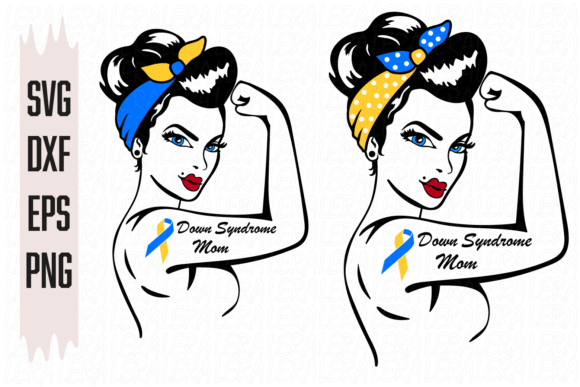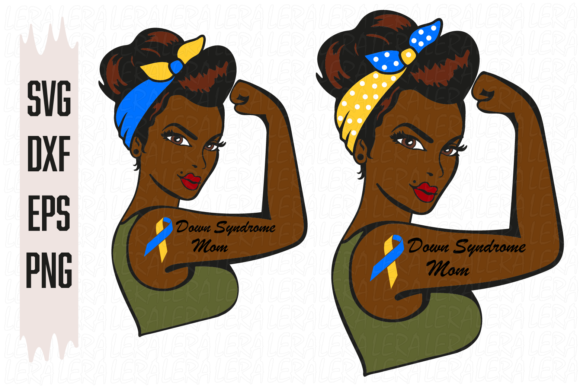
Reviewing the Down Syndrome Mom Embroidery Design
As a designer who spends more time staring at stitch simulations than I care to admit, I have learned that not every graphic translates well to thread. When I first pulled up the Down Syndrome Mom, Down Syndrome design files, my immediate reaction was one of cautious optimism. This is not just another clipart bundle; it is a statement piece intended for heartfelt connection. The visual personality here is warm and inclusive, creating a mood that feels authentic rather than performative. For those of us in the embroidery community, finding designs that balance emotional weight with technical feasibility is always a challenge.
First Impressions and Visual Layout
The layout of this design relies on clean lines and balanced spacing, which is crucial when we move from screen to fabric. The theme centers on advocacy and love, using typography and symbolic elements that are instantly recognizable. From a graphical standpoint, the Illustrations provided in the package are sharp. However, as an experienced reviewer, I look past the PNG preview and think about how these shapes will behave under a needle. The design avoids overly complex gradients or tiny, fragile details that often break apart during high-speed stitching. Instead, it offers a solid structure that suggests it will hold up well on various textiles.
When evaluating Graphics for real-world use, I always ask: does this look like a sticker, or does it look like it belongs on fabric? This design leans toward the latter. Its simplicity allows the texture of the thread to enhance the message rather than compete with it. The visual appeal is understated yet powerful, making it suitable for products where subtlety is valued over flashiness.
Real-World Application: The Custom Tote Bag Test
To truly understand the potential of this machine embroidery design, I imagined a specific scenario: a custom order for a local support group fundraiser. The client wanted durable, everyday items that members could carry with pride. I visualized this design stitched onto a heavy canvas tote bag design. In this context, the boldness of the lettering and the clarity of the symbols would stand out against the coarse weave of the canvas.
If I were executing this project, I would likely opt for a fill stitch approach for the larger graphical elements to ensure coverage and durability. For the text, a clean satin stitch would provide the necessary definition without adding excessive bulk. The result would be a handmade product that feels professional and sturdy. Customers reacting to such an item are not just buying a bag; they are buying into a community. The design facilitates that connection by being clear and legible from a distance, which is essential for awareness campaigns.
Versatility Across Product Lines
Beyond tote bags, this embroidery file shows promise across a wide range of custom apparel. Imagine it on a soft fleece sweatshirt embroidery project. Here, the design would need careful handling regarding stitch density. Too dense, and the garment becomes stiff; too light, and the backing shows through. For baby items, such as a onesie or a burp cloth, this design could serve as a tender baby embroidery accent. However, scale is critical. You must ensure the hoop size matches the garment area to avoid distortion.
For Etsy seller communities and craft business owners, versatility is key to profitability. This design could easily transition into holiday embroidery gifts, perhaps paired with seasonal colors, or used as a central motif on a pillow cover for nursery decor. It also works well for embroidered patch creation, where the edges can be finished with a tight satin border to prevent fraying. The ability to use this as a digital embroidery file for multiple product types increases its value for small shop owners looking to maximize their design assets.
Technical Considerations and Fabric Choices
While the design is robust, there are areas where caution is necessary. If you are working with stretchy fabric like jersey knits, proper stabilization is non-negotiable. Without a cut-away stabilizer, the tension of the stitches could cause the fabric to pucker, distorting the message. Similarly, on dark fabric, you must carefully select your thread colors. High contrast is essential for readability. A dark thread on a navy shirt will render the design invisible, defeating its purpose.
Small hoop sizes present another challenge. If you attempt to shrink this design significantly for a cap or a small pocket detail, the finer elements may merge. Always test the design on scrap fabric first. Check the running stitch outlines if they are part of the file structure, as these can sometimes shift on slippery materials. For curved surfaces like caps, consider using a water-soluble topping to keep the stitches lying flat and preventing them from sinking into the pile of textured fabrics.
Enhancing Brand Value and Customer Trust
Using high-quality designs like Down Syndrome Mom, Down Syndrome directly impacts your brand consistency. When customers see crisp, well-executed embroidery, their trust in your small shop product quality increases. It signals professionalism. Whether you are creating personalized gift items or boutique merchandise, the clarity of the design reflects the care put into the production. This attention to detail drives buyer engagement and can lead to repeat customers who appreciate the thoughtful selection of meaningful design assets.
Practical Notes for the Embroiderer
Before launching this into your production line, take a moment to review the technical specifics. Since the product description notes that you receive SVG, DXF, EPS, AI, and PNG formats, remember that these are primarily vector and raster graphics. If you are using an embroidery machine, you will need to digitize these files or convert them into a compatible embroidery format unless you are using them for printable mockups or heat transfer vinyl applications alongside embroidery. Always confirm licensing before selling finished items.
- Test on Scrap: Always run a test stitch-out to check for thread breaks or nesting.
- Check Contrast: Ensure your thread choice stands out against the fabric background.
- Stabilize Properly: Match your stabilizer type to the fabric weight and stretch.
- Verify Licensing: Confirm if the license allows for commercial use of the finished physical products.
- Mockup Review: View the design in black and white to assess shape clarity without color distraction.
In conclusion, this design offers a meaningful addition to any designer’s library. It balances emotional resonance with practical application, making it a strong candidate for both personal projects and commercial ventures. By respecting the technical requirements of embroidery and choosing the right materials, you can create a finished product that truly honors the spirit of the design.