Proud Black Mom T-shirt: A Designer’s Review
As an embroidery designer who has spent years digitizing and testing files for everything from boutique sweatshirts to high-volume corporate orders, I approach every new asset with a critical eye. We are not just looking at pretty pictures; we are looking at stitch paths, density management, and commercial viability. Recently, I evaluated the Proud Black Mom T-shirt design, and while the title suggests apparel, the underlying assets tell a different story about versatility and potential. This review breaks down how this graphic performs when translated from a digital vector into a tangible, stitched reality.
First Impressions and Visual Personality
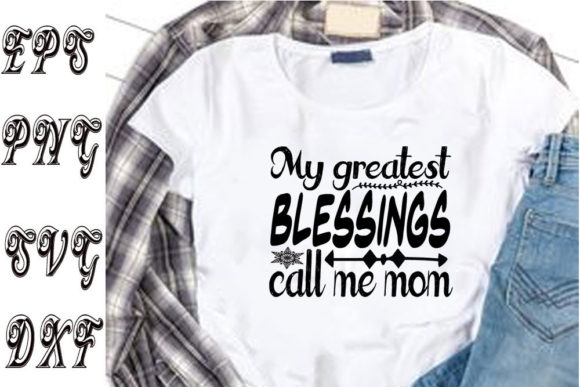
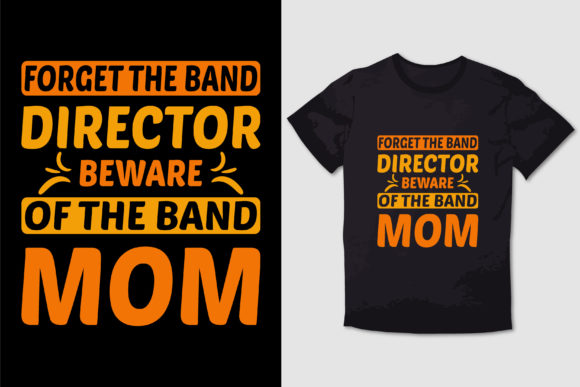
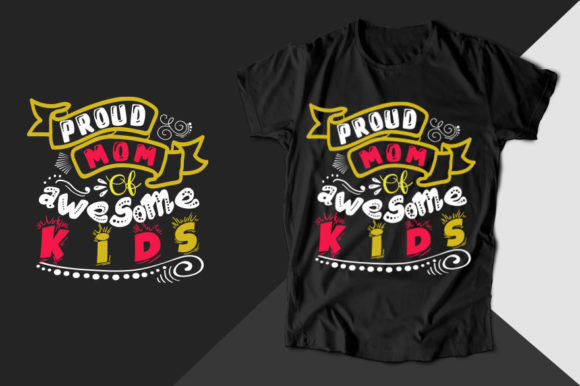
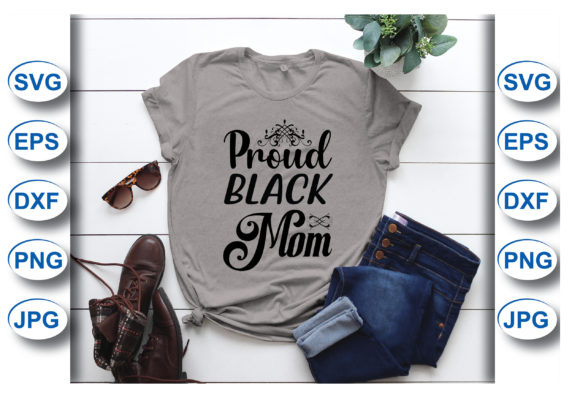
The immediate mood of the Proud Black Mom T-shirt design is one of bold affirmation and warmth. Visually, it carries a strong typographic presence that demands attention without feeling cluttered. For an embroidery project, this is crucial. When you are working with thread rather than ink, clarity is king. The layout appears balanced, offering enough negative space to allow the stitches to breathe, which prevents that heavy, cardboard-like feel often found in poorly optimized designs.
The theme resonates deeply with current market trends in personalized gifts and custom apparel. It speaks to identity, pride, and family, making it a natural fit for items that carry emotional weight. Whether used on a tote bag for a community event or a sweatshirt for a family reunion, the visual personality is welcoming yet assertive. As a piece of graphics within the broader category of T-Shirt Designs, it holds its own, but its true value emerges when we consider how it translates to texture and fabric.
Real-World Application: Beyond the T-Shirt
While the product name specifies a t-shirt, my experience suggests limiting this design to cotton tees would be a missed opportunity. I recently simulated this design for a custom embroidered tote bag project for a local artisan market. The bold lines of the design held up beautifully against the coarse weave of canvas fabric. The contrast between the thread and the material created a tactile depth that print simply cannot achieve.
Consider the potential for sweatshirt embroidery. A heavyweight fleece provides a stable foundation for fill stitches, allowing the design to sit proudly on the chest or back. For baby embroidery projects, such as a onesie or a nursery blanket, the sentiment is powerful. However, here we must exercise caution. The scale of the design must be reduced significantly, which brings us to technical considerations regarding detail retention.
For Etsy sellers and small shop owners, this design serves as a versatile asset. It can be adapted for holiday embroidery gifts, such as aprons for Mother’s Day or pillow covers for home decor. The key is understanding that this is a statement piece. It works best when it is the focal point of the finished product, rather than competing with other complex elements.
Technical Performance and Stitching Clarity
The product description notes that you will get 100 vector files in CMYK color mode, including AI, EPS, and SVG formats. It is vital to clarify a common misconception among new crafters: these are vector graphics, not native machine embroidery files like PES or DST. This distinction is critical. As a designer, I see this as a strength because it allows for complete customization before digitization. You can modify colors, adjust shapes, and scale the design infinitely without losing quality.
However, this means you must digitize the file yourself or hire a digitizer. When converting this vector into a machine embroidery design, pay close attention to stitch density. Large areas of solid color in the original graphic may require careful handling to avoid puckering. I recommend using a combination of satin stitch for borders and text, and a light fill stitch for larger background elements. Running stitch can be utilized for fine details to keep the profile low and flexible.
Thread colors play a significant role in the final appeal. Since the source file is in CMYK, you have a broad palette to choose from. For dark fabrics, ensure high contrast. A bright gold or white thread against black fabric creates a luxurious look that enhances perceived value. On light fabrics, deeper tones provide necessary definition. Always test your thread choices on scrap fabric first to check for color bleeding or poor visibility.
Navigating Fabric Challenges and Hoop Constraints
Not every surface is ideal for this design. Textured fabrics, such as terry cloth or thick wool, can obscure finer details. If you are planning an embroidered patch, ensure the backing is stiff enough to support the stitch count. Curved surfaces like caps present another challenge. The design’s width must fit within the standard cap hoop size, usually around 5x7 inches. If the design is too wide, it will distort when stitched on the curved panel of a hat.
Stretchy fabrics require extra care. Without proper stabilizer, the design can warp after washing. I always advise using a cut-away stabilizer for garments that will undergo frequent laundering, such as t-shirts and baby clothes. For decorative items like tea towels or wall hangings, a tear-away stabilizer may suffice, but test it thoroughly. Tiny lettering, if present in any variation of the design, should be avoided on stretchy materials as the threads can break or merge during wear.
Commercial Viability and Brand Consistency
For commercial embroidery projects, consistency is key. The Proud Black Mom T-shirt design offers a professional look that builds customer trust. When buyers see clean, well-executed stitching, they associate it with quality. This enhances brand consistency for handmade product sellers. Whether you are creating printable mockups for your online store or producing physical inventory for a craft fair, the design’s clean lines make it easy to photograph and market.
Buyer engagement often hinges on emotional connection. This design taps into a strong sense of community and pride. By offering it on various items—from kitchen towels to boutique merchandise—you expand your reach. However, always confirm licensing before selling finished items. While the vector files are provided for modification, ensure your end use complies with the creator’s terms for commercial sales.
Practical Notes for the Embroidery Designer
Before committing to a full production run, follow these steps:
- Test on Scrap Fabric: Always stitch a sample on the exact material you plan to use. Check for puckering, thread breaks, and registration issues.
- Check Thread Contrast: View your design in black and white mockups to ensure the shapes remain distinct without color cues.
- Review Stitch Density: If digitizing from the vector, avoid over-densifying large areas. Use underlay stitches to stabilize the fabric.
- Confirm Hoop Size: Ensure the scaled design fits comfortably within your machine’s hoop, leaving room for clamping.
- Inspect Small Details: Zoom in on corners and curves. Sharp angles may need to be rounded slightly to prevent thread bunching.
- Compare Backgrounds: Test the design on both light and dark fabrics to determine the most versatile thread color combinations.
In conclusion, the Proud Black Mom T-shirt design is a robust starting point for a variety of embroidery projects. Its strength lies in its clear visual message and adaptable vector format. By approaching it with technical precision and creative foresight, designers and makers can transform this digital asset into high-quality, emotionally resonant finished products. Whether for a small shop product or a personalized gift, it offers the professional polish needed to stand out in a crowded market.